What Are Boarding Schools? Meaning, Features & How They Work
BY ADMIN PUBLISHED March 30, 2026, UPDATED August 18, 2026
When selecting a school, parents and students must consider various factors and make the best decision possible. Many are wondering what are boarding schools and how they stand out from the typical school model. While boarding schools also have a high school component, students are on campus the entire time, creating a more regimented and holistic learning experience.
Additionally, parents are often asking what are day schools? What is the difference between the two? Understanding the characteristics of each system allows families to tailor their choices to the unique academic, social, and personal needs of the student, as well as to the family’s lifestyle. Both systems have their own unique opportunities and challenges and they range from behavioral control and personal responsibility to advanced and differentiated academic and non-academic programs. This article helps the reader to structure the comparison and comprehend the model and advantages of boarding schools to day schools.
What Are Boarding Schools?
To know what are boarding schools, it is fundamental to analyze their basic components. Students learn to live, study, and participate in all activities on campus at the school with teachers and faculty members who are specifically trained for this purpose.
There are schools like this one that offer a unique experience of integrating school life with living, extracurricular activities, and academics. Students get to enjoy all the benefits of well-organized living, school, and social life, including; well-planned study and sports timetable, prepared meals, and fun.
There are several options, including weekly boarding, term boarding, and full-year boarding. Schools like this develop many important qualities in their students, such as a sense of community, discipline, personal initiatives, and the like.
What Are Day Schools?
Before we get to the comparisons, it is best to explain what day schools are. Day schools are schools that offer their students a mix of school and home life. The school is home to their students in that it is the place where students begin and finish their supervision cycle.
Day schools are usually operated on a fixed timetable, whereby students learn in a classroom in the morning and then return to school to play at the end of the day. Schools and classrooms are environments where students experience the real world, while home is the place that is meant to be private and relaxing.
There is no doubt that priority in both systems is given to quality education; however, their structures and daily activities are in variance with each other.
Elements of Boarding Schools
What makes a boarding school unique involves describing its daily operations. Daily operations can be understood by describing their schedules that incorporate educational, personal, and emotional development.
- Daily Structure: Students have a daily and a weekly structure that consists of morning assemblies, academic classes, sports, prep hours, and are uniformly led to bed.
- Residential Care: Residential care is provided by housemasters, wardens, and mentors. They monitor the well-being, behaviour, and progress of the students' studies.
- Academic Aid: Students are given several opportunities to get the help they need by way of tutoring and supervised study hours.
- Community Participation: Students are put in a situation in which they need to practice their social skills and their ability to collaborate when they are required to share dormitories, dining facilities, and recreation areas.
A system like this promotes the ability to manage one's own time and win a sense of control and responsibility.
Boarding Schools' Advantages
Many boarding schools can help families. The list is long, and we will only cover a portion of these advantages.
- Maturity and Responsibility: Because there is a greater need for organisation and structure in their daily lives, students can develop a greater sense of control, responsibility, and organisation.
- Academic Priorities: Students can prioritise and focus their academic pursuits because they are provided with a living environment that is free of the distractions that can be present in a household.
- Overall Development: Schools can offer and provide a focus for students in the areas of sports, the arts, and teacher-led personality development classes.
- Exposure to Diversity: Students can learn and be educated by their peers, who can teach them about their culture and way of living.
All of these benefits help students develop an expanded view of the world beyond the challenges of academic studies.
Day Schools vs Boarding Schools
The argument on dayschools vs boarding schools usually come down to personal preference and unique circumstances.
Setting
-
Boarding schools have a residential, structured environment.
- Day schools allow students to remain in their family environment.
Oversight
-
Boarding schools have one-on-one supervision twenty-four hours a day.
- Day schools have supervision until the end of the school day.
Freedom
-
Boarders enjoy greater freedom earlier.
- Day scholars enjoy closer daily family relationships.
When families compare boarding schools and day schools, they need to look at the academic objectives, emotional maturity, and fit to their lifestyle.
Why Boarding Schools Are Better Than Day Schools
Most people would agree that boarding schools are better than day schools have to do with the experiential education model. While there are boarding schools that have other advantages, such as:
- Ongoing mentorship
- Disciplined routine structures
- Leadership opportunities in campus life
- More emphasis on extracurricular activities
The decision, however, is based on the child’s temperament and the guiding principles of the family. Each model has advantages, and no model works for every learner.
Academic Excellence in Boarding Schools
At boarding schools, there is usually more personalised attention and smaller class sizes. Evening study hall is supervised by teachers, so students can ask their questions and clear up any doubts they may have. This helps students focus and work in a more concentrated manner.
In addition to academics, students learn to manage their time more efficiently, work collaboratively in teams, and be responsible, all of which are invaluable life skills.
Social and Emotional Growth
Students learn to form friendships to live together. They develop skills of conflict resolution, cooperation, and empathy. All of these social skills help prepare students for university and what the world has to offer.
Although day schools do provide some social experiences, boarding schools use all of the social contacts in the community and support a high level of community social use.
The Importance of Extracurricular Activities
At boarding schools, there is a wide range of facilities for the arts, theatre, sports, music, and debate, among others. There is a lot of time allocated for these activities, and students have the opportunity to do things outside of class.
With this approach, skills and confidence grow.
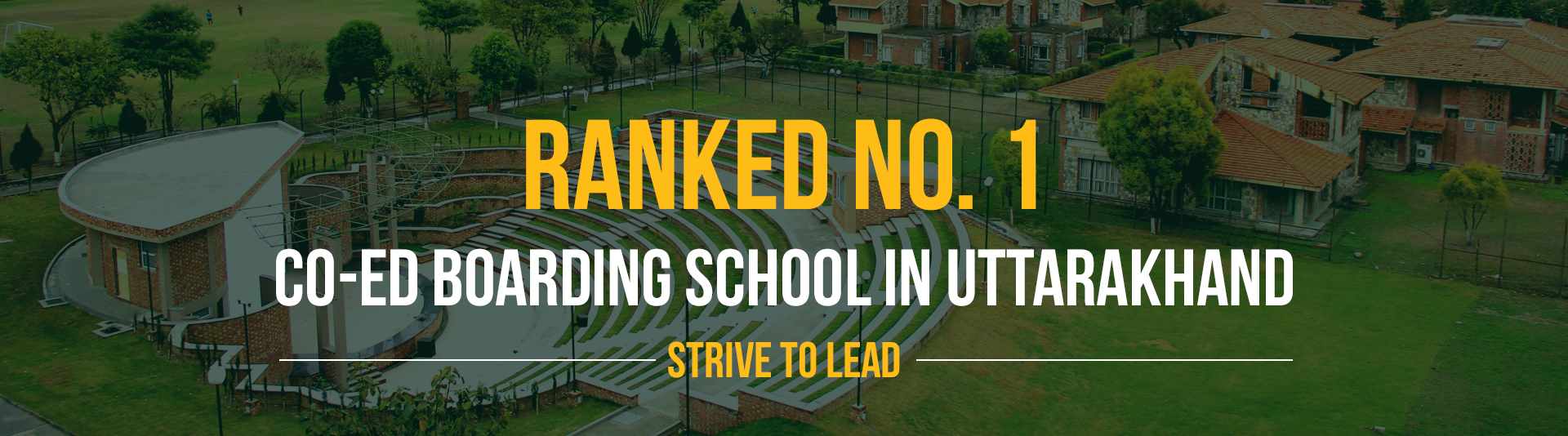
SelaQui International School
SelaQui International School exemplifies the strengths of residential education by merging academic and extracurricular offerings. Students engage in study hours and leadership activities. Our school’s experienced teachers and individualised mentoring improve the independence, resilience, and global perspective of the students. The residential system promotes responsibility and collaboration. SelaQui International School provides comprehensive boarding education by integrating character and academic development to prepare students for competitive exams and future leadership positions.
Factors to Consider Before Choosing
When selecting educational systems, families should consider:
- Emotional readiness of the child
- The child's academic ambitions
- The child's educational aspirations
- The distance from the child to the educational institute
- The overall financial implications
Evaluating these factors helps to determine the educational framework that will best accommodate the child's development.
Modern Developments in Boarding Education
Today's boarding schools use the latest classroom technologies, facilitate international educational exchange partnerships, and equip schools with superior sports facilities. The last few years have also increased the services for mental health and student counsellors, which demonstrates the changing educational focuses.
Conclusion
Appreciating what boarding schools are gives insight into the benefits of the structured and immersive system they utilise. What day schools understand are the basic systems of education. Boarding schools understand fusion systems. When parents consider boarding schools, they understand the benefits of boarding schools. This includes, but is not limited to, discipline, independence, and more elaborate mentoring systems.
The discussion of day school’s vs boarding schools ultimately depends on individual preferences and goals. While some believe that boarding schools are better than day schools due to their holistic residential experience, others value the daily family connection of day schooling. Both systems offer meaningful educational opportunities.
By evaluating academic objectives, personality traits, and lifestyle needs, families can make informed decisions that support long-term success. Whether residential or day-based, the right environment nurtures confident, capable, and well-rounded individuals prepared for future challenges.